
Flood Bypass
Type of Development
New Development, Redevelopment
Topography
Valley
Longevity
Environment
Natural Habitat, Urban
Maintenance
Medium
Cost
Creating flood bypasses often involves the acquisition of land necessary for bypass excavation, which can be very expensive. However, if there is a significant amount of development at risk, flood bypasses are cost effective in the long term.
Overview
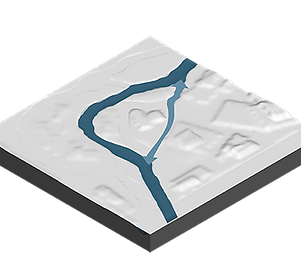
A flood bypass is an area along a river or within a floodplain that is intentionally kept undeveloped so that it is able to receive excess flood waters from a river. This helps reduce flood risks in nearby areas, such as a city or business district. Unlike floodplain expansion, which creates more space for natural buffers and water storage, flood bypasses help manage and direct floodwaters with dedicated channels. Flood bypasses can serve as an alternative to constructing levees for flood protection. This strategy is especially effective at reducing flood damages in riverside communities that have a significant amount of at-risk development.

Function
Flood bypasses reduce the impacts of riverine flooding by redirecting flood waters around developments or other important areas in a floodplain.
Benefit
Beyond reducing potential floodwater damages, flood bypasses can also provide valuable green spaces. These green spaces help create wetland and aquatic habitats and serve as community assets.
Dependency
Development Considerations
Flood bypasses require a significant amount of space. Obtaining this space may require open space acquisition.
Environmental Considerations
It is important to remove invasive species in new flood bypass green spaces and habitats, since they are common in disturbed areas.
Maintenance Consideration
One maintenance consideration for flood bypasses is the collection of sediment and its impacts on floodwater transport. To ensure proper functioning of the bypass, regular monitoring and occassional sediment removal is recommended.
Cost Considerations
Creating flood bypasses often involves the acquisition of land necessary for bypass excavation, which can be very expensive. However, if there is a significant amount of development at risk, flood bypasses are cost effective in the long term.